

“When should I expect SEO results?” is a question every client asks. The truth is, there’s no magic button for instant rankings. Search engine optimization (SEO) is a long-term investment that builds credibility and authority over time. While you might see some quick wins, a significant, sustained return on your investment typically takes time. Here’s a realistic breakdown of what to expect.
How Google Finds, Organizes, and Delivers Information: The Crawl, Index, and Serve Process
To understand why SEO takes time and when should I expect SEO results, it’s crucial to grasp how Google operates. Google employs a sophisticated, multi-step process to bring relevant results to users:
Crawling: Imagine Google as having an army of tiny robots, called “spiders” or “crawlers.” These crawlers constantly scour the internet, following links from one page to another. When they land on a page, they read its content, analyze its structure, and identify any new links. This continuous exploration helps Google discover new web pages and updates to existing ones. The speed at which Google crawls your site can be influenced by your site’s technical health (e.g., site speed, server response time) and how frequently you publish new content.
Indexing: Once they crawl a page, Google then processes and analyzes the information it has gathered. This information is then stored in a massive database called the “index.” Think of the index as a gigantic digital library, containing billions of web pages organized by keywords, topics, and various other signals. When a page is indexed, it means it’s now eligible to appear in search results. Factors like the quality and relevance of your content, proper use of keywords, and a well-structured site all contribute to successful indexing.
Serving: When you type a query into Google, the search engine doesn’t just pull random pages. Instead, it uses complex algorithms to rapidly sift through its index and identify the most relevant, high-quality, and authoritative pages for your specific query. These algorithms consider hundreds of ranking factors, including the content on the page, the user’s location, the freshness of the content, and the website’s overall reputation. The process of “serving” up results involves not just presenting a list of links, but also snippets, images, videos, and other features designed to provide the best possible user experience.
This intricate process of crawling, indexing, and serving takes time. Google needs to discover your content, understand it thoroughly, and then determine its relevance and authority in comparison to billions of other pages. This inherent delay is why SEO is a long-term strategy, not an instant fix, which impacts when should I expect SEO results.
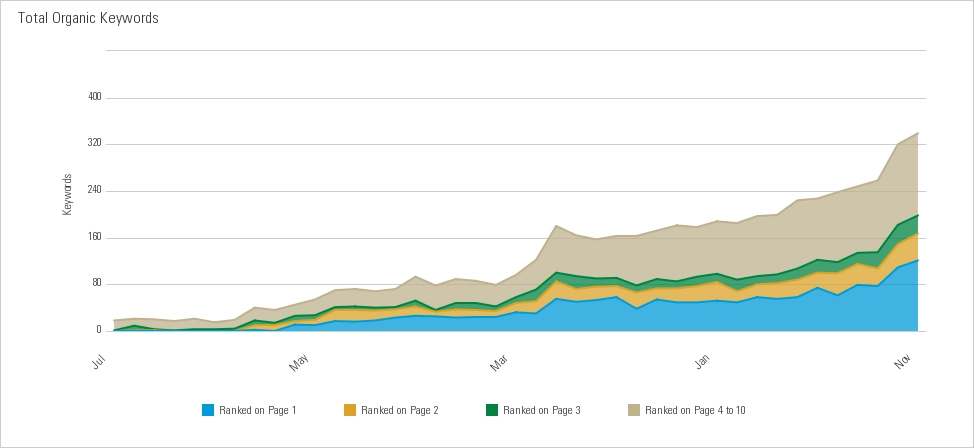
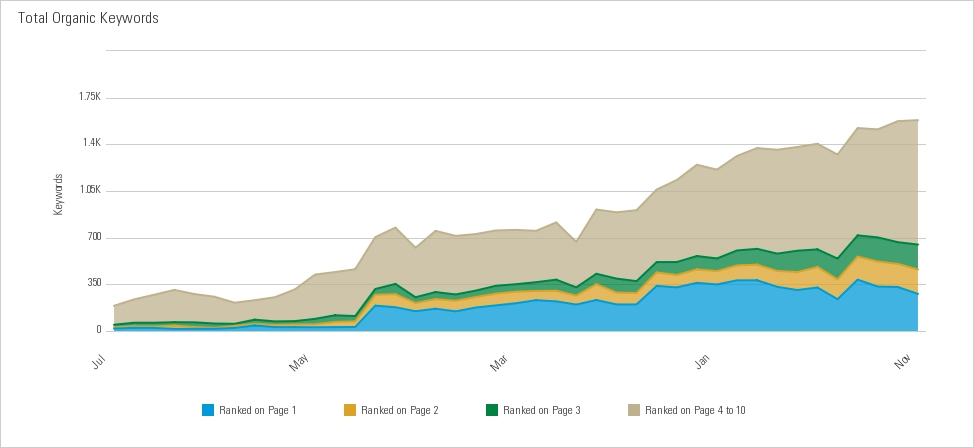
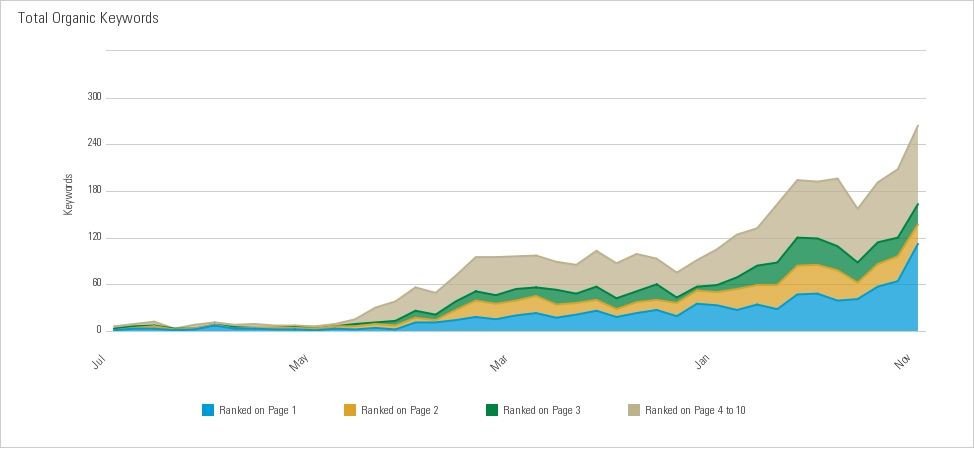
Samples of SEO Growth Over Time
To help give you an idea of what SEO results to potentially expect when working with us, here are some examples of our past SEO clients’ keyword growth. Keep in mind, however, that different factors such as website age, load times, server speed, and content frequency impact growth trajectory.
When should I expect SEO Results with a New Website Launch: Building Trust from Day One
A brand-new website often faces what is colloquially known as the “Google Sandbox.” This is a period where search engines cautiously evaluate your site before giving it significant visibility.
While there’s no official confirmation from Google about a “sandbox” period, anecdotal evidence suggests new sites may experience a slower climb in rankings initially. This isn’t a penalty; it’s a necessary vetting process.
The key during this phase is to consistently prove your value through a solid technical foundation and a steady stream of high-quality content.
The Role of Optimization and New Content
Even for established websites, SEO results are a product of two core efforts: optimization and content.
- Optimization: This involves a technical audit to ensure your site is a clean, well-oiled machine for search engines. This includes providing a clear sitemap and Information Architecture (IA), improving site speed, fixing broken links, and optimizing your site structure. Site speed, in particular, can be impacted by a range of factors, including your hosting environment, the number of plugins you use, and the need for regular backups. A dedicated development environment for testing new features or updates is also crucial to avoid breaking your live site.
- Content: This is where you demonstrate your expertise and become a valuable resource for your audience. Regular, high-quality content that addresses your customers’ needs is essential for building topical authority.
For most organizations, you can expect to see noticeable increases in organic traffic and keyword rankings after 3 to 6 months of consistent effort. This timeline is heavily influenced by a variety of factors, such as the competitiveness of your industry, your frequency of new content, and the current health of your website. However, this timeline can be significantly accelerated with frequent, human-written content.
How Different Types of Content Align with Google’s Search Algorithm
Google’s search algorithm is designed to deliver the most relevant and valuable content to users, regardless of its format. Different types of content can align with Google’s algorithm in various ways, this impacts when should I expect seo results:
Text-based Content (Articles, Blog Posts): This remains the backbone of SEO. Well-researched, comprehensive articles that answer user queries and demonstrate expertise are highly valued. The algorithm analyzes keywords, semantic relevance, readability, and overall depth of information.
Images: Optimized images (with descriptive alt text and relevant filenames) can appear in Google Images searches and contribute to the overall understanding of your page’s content. Visuals can also break up text, improving readability and user engagement, which are indirect ranking signals.
Videos: Embedding videos onto pages can significantly enhance user engagement. Google’s algorithm favors pages that keep users on the site longer, and videos are excellent for this. Videos can also rank independently in Google’s video search results and appear in universal search results. High-quality, relevant videos can help pages climb SERP rankings more quickly by signaling to Google that your page provides a rich and comprehensive answer to a user’s query.
Infographics and Visualizations: These can make complex information easily digestible and shareable, increasing backlinks and social signals, both of which are positive indicators for Google.
Interactive Content (Quizzes, Tools): Engaging users through interactive elements can boost time on page and reduce bounce rate, signaling to Google that your content is valuable.
The key is to use the right content format for the right purpose and audience, ensuring it’s high-quality, relevant, and optimized for search engines.
The Power of Frequent, Human-Written Content for Rapid SEO Growth
While technical optimization is crucial, the consistent creation of frequent, human-written content is a key component of rapid SEO growth. Here’s why:
Signals Freshness and Activity: Google prioritizes fresh, up-to-date content. Regularly publishing new articles, blog posts, or updates to existing content signals to Google that your website is active and a reliable source of current information. This can lead to more frequent crawling and faster indexing of your pages.
Expands Topical Authority: Each new piece of relevant, high-quality content allows your website to cover more aspects of your industry or niche. This builds “topical authority,” making your site a go-to resource for a wider range of related queries. The more comprehensive and authoritative your site becomes, the more Google trusts it.
Increases Keyword Opportunities: Every new piece of content provides an opportunity to target new keywords and long-tail phrases, expanding your reach to a broader audience searching for specific information. This allows you to capture traffic from a wider array of search queries.
Drives User Engagement: High-quality, human-written content is naturally more engaging. It can answer user questions more thoroughly, provide unique insights, and foster trust. When users spend more time on your pages, share your content, or interact with it, these are strong signals to Google that your content is valuable.
Attracts Backlinks and Social Shares: Great content naturally attracts backlinks from other reputable websites and gets shared across social media platforms. These external signals are powerful indicators of authority and relevance for Google, significantly boosting your rankings.
For a website that is publishing new, optimized content frequently, especially content that is genuinely helpful and well-written, you can often see significant initial traction and noticeable SEO results within the first 3 to 6 months, and sometimes even sooner for less competitive niches. Consistent effort and a strategic approach to content creation can dramatically accelerate your SEO timeline.
Ready to Build Your SEO Success?
Don’t wait to get started. The sooner you begin, the sooner you’ll see a return on your investment. Contact World Synergy today for a proven content strategy and a deep understanding of Google’s algorithms. We’re the experts who can help you achieve sustainable SEO growth.